
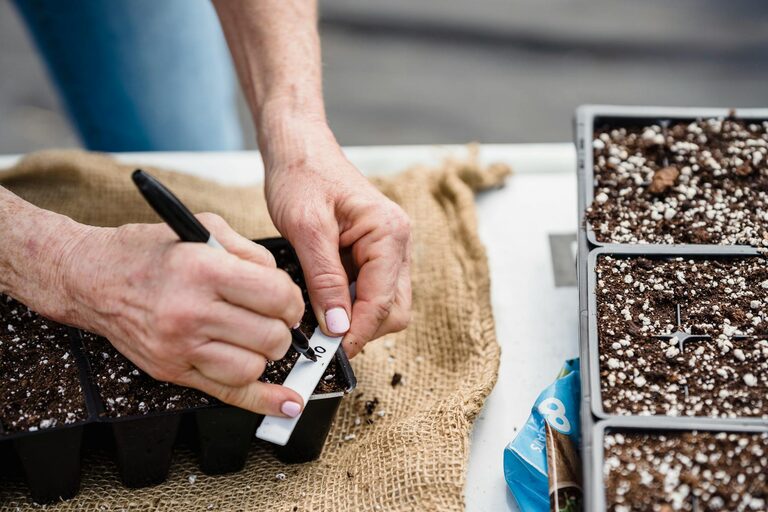
Starting a garden can be a rewarding experience, offering fresh air, beautiful plants, and even home-grown fruits and vegetables. For beginners, gardening might feel a little overwhelming at first. However, with some basic knowledge and simple steps, anyone can cultivate a healthy and flourishing garden. This guide shares essential tips for novice gardeners to help you get started and maintain a garden that thrives season after season.
Understanding Your Garden Space
Before you plant anything, it’s important to know the conditions of your garden space. Factors like sunlight, soil quality, and available space will all impact what kinds of plants will grow best.
Assess Sunlight
Most plants need at least 6 hours of direct sunlight each day. Observe your garden area at different times to see where sun shines and where shadows fall. This will help you decide what types of plants to grow—full sun, partial shade, or shade-loving varieties.
Check Soil Quality
Healthy soil is the foundation of a good garden. You can purchase simple soil testing kits from garden centers to check pH levels and nutrient content. Most plants prefer a slightly acidic to neutral pH (about 6.0 to 7.0).
If your soil is poor or compacted, consider adding organic matter like compost or aged manure to improve texture and fertility.
Plan Your Space
Use graph paper or a garden design app to plan your layout. Consider the mature size of plants to avoid overcrowding, and leave space for paths or access if needed. Raised beds, containers, or traditional garden plots can be adapted based on the space you have.
Choosing the Right Plants for Beginners
Start with Easy-to-Grow Varieties
Some plants are more forgiving and easier for beginners. Here are a few beginner-friendly options:
– Vegetables: Lettuce, radishes, green beans, zucchini, and tomatoes
– Herbs: Basil, mint, chives, parsley, and rosemary
– Flowers: Marigolds, sunflowers, pansies, and zinnias
These plants generally require moderate water, sunlight, and are less prone to disease.
Buy Quality Seeds or Starter Plants
For a successful garden, choose healthy seeds or young plants from reputable nurseries. Seed packets often include helpful growing information such as planting depth and spacing. Starter plants give you a quicker jumpstart but might be pricier.
Basic Planting Tips for Beginners
Prepare the Soil
Remove weeds and debris from your garden bed. Loosen the soil to about 8-12 inches deep to help roots grow easily.
Add compost or organic matter before planting to boost nutrients and drainage.
Follow Planting Instructions
Pay attention to how deep and how far apart plants should be spaced. Planting too close can reduce airflow and increase disease risk.
Water seeds gently after planting to help them settle.
Watering Your Garden
– Water early in the morning or late in the evening to reduce evaporation.
– Check soil moisture regularly; the soil should be moist but not soggy.
– Use mulch (like straw, bark, or shredded leaves) around plants to retain moisture and suppress weeds.
Maintaining Your Garden
Regular Watering and Feeding
Consistent watering is key, especially for young plants. Use a balanced fertilizer as recommended for your plant types, but avoid overfeeding, which can harm plants.
Weed Control
Weeds compete with your garden plants for water and nutrients. Pull weeds regularly, preferably when the soil is moist, to remove them easily.
Monitor for Pests and Diseases
Inspect your plants frequently. If you see signs of pests (holes in leaves, sticky residue) or diseases (discoloration, spots), take action early.
Using natural pest control methods like introducing beneficial insects or using insecticidal soap is safer for your garden and environment.
Pruning and Deadheading
Removing dead flowers and trimming back overgrown plants encourages healthier growth. Deadheading prevents plants from expending energy on seed production.
Seasonal Tips for a Thriving Garden
Spring
– Prepare soil by adding compost.
– Start planting seeds indoor if you live in cooler climates.
– Plant cool-season vegetables like peas and spinach.
Summer
– Water deeply during dry spells.
– Harvest fruits and vegetables regularly.
– Watch for pests as insect activity peaks.
Fall
– Plant bulbs for spring flowers.
– Clear away dead plants and add organic matter to beds.
– Prepare tools for winter storage.
Winter
– Protect tender plants with mulch or coverings.
– Plan your garden for the next season.
– Clean and sharpen garden tools.
Helpful Tools to Get Started
You don’t need expensive equipment, but having a few basic tools will make gardening easier:
– Garden gloves to protect your hands
– Hand trowel and spade for digging and planting
– Watering can or garden hose with a gentle spray nozzle
– Pruning shears for trimming plants
– Garden fork or cultivator to loosen soil
Final Thoughts
Gardening is a journey of learning and patience. Every gardener faces challenges, but the rewards far outweigh the effort. Start small, focus on plants that suit your environment, and enjoy the process of watching your garden grow. With time and care, your healthy garden will flourish and become a source of pride and relaxation.
Happy gardening!