
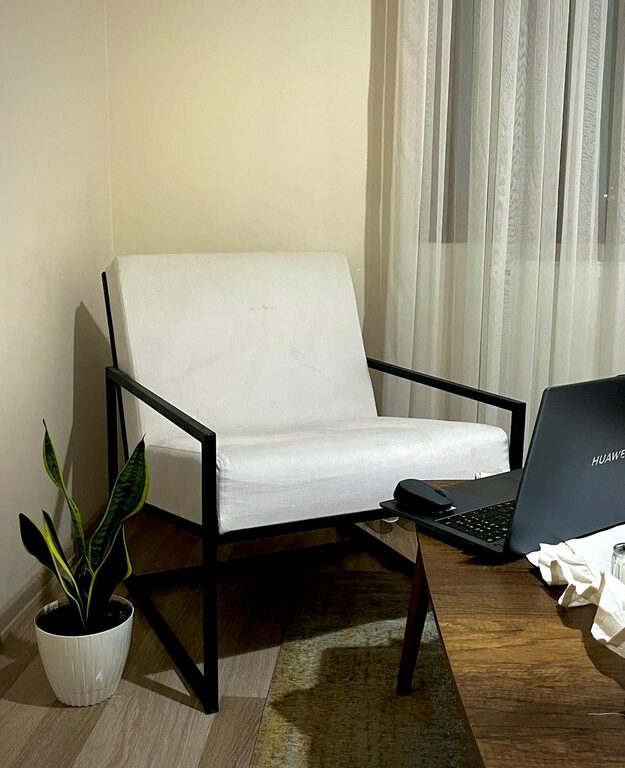
Creating a home office that feels cozy and inviting can make a big difference in how you work and feel throughout the day. Whether you’re working remotely, freelancing, or just need a quiet spot for personal projects, a well-designed space adds comfort and encourages focus. In this post, we’ll explore practical tips to transform your home office into a warm, welcoming environment tailored to your needs.
Why a Cozy Home Office Matters
A cozy office doesn’t just look good — it supports your wellbeing and productivity. When your workspace feels inviting, you’re more likely to enjoy working there and maintain a positive mindset. Comfort reduces stress and fatigue, while thoughtful organization helps you stay efficient.
Step 1: Choose the Right Location
Find a Quiet, Well-Lit Spot
Look for a space that minimizes distractions and has access to natural light. Sunlight boosts mood and alertness, so try to place your desk near a window if possible.
Consider Your Commute
Even in a home office, creating a routine matters. Position your workspace in an area that’s easy to access but separated enough to signal a boundary from personal areas.
Step 2: Invest in Comfortable and Functional Furniture
Ergonomic Chair
Your chair should support your back and encourage good posture. Look for adjustable options that keep your feet flat and shoulders relaxed.
Desk Size and Height
Choose a desk that fits your work essentials without crowding your space. Adjustable desks that allow sitting or standing can add comfort.
Add a Footrest
If your feet don’t comfortably reach the floor, a footrest can reduce strain and improve circulation.
Step 3: Personalize Your Space Thoughtfully
Use Warm Textiles
Soft cushions, a cozy throw blanket, or a small rug can make your office feel more inviting. Choose colors and textures that soothe and inspire you.
Display Inspiring Items
Photos, art prints, or small plants add personality. Keep it simple to avoid clutter, and rotate decorations occasionally to keep the atmosphere fresh.
Incorporate Greenery
Plants improve air quality and add a calming presence. Opt for easy-care options like succulents, snake plants, or pothos.
Step 4: Optimize Lighting for Comfort and Productivity
Layer Your Lighting
Combine natural light with layered lighting: an overhead light, a desk lamp, and perhaps an accent light. This approach prevents eye strain and sets a pleasant ambiance.
Choose Warm Light Bulbs
Bulbs with warmer tones (around 2700K-3000K) create a relaxed atmosphere, unlike harsh, cool light that can feel clinical.
Control Glare
Position lights and screens to avoid glare. Use blinds or sheer curtains to soften daylight when necessary.
Step 5: Organize to Reduce Clutter and Enhance Focus
Use Storage Solutions
Shelving, drawer organizers, or storage baskets keep supplies neat and accessible. Label containers to save time searching.
Manage Cables
Cord organizers or clips keep wires tidy and prevent tripping hazards.
Maintain a Clean Desk Policy
At the end of each day, clear your workspace to start fresh tomorrow. This small habit promotes calm and readiness.
Step 6: Set the Right Temperature and Ventilation
Find Your Comfort Zone
Make sure your office space doesn’t get too hot or cold. A fan, heater, or adjustable thermostat can help regulate temperature.
Fresh Air Matters
If possible, open windows regularly to circulate fresh air. Consider an air purifier if ventilation is limited.
Step 7: Incorporate Calming and Motivational Elements
Add Personal Motivation
A vision board, favorite quotes, or a goal tracker can keep you inspired without overwhelming your desk.
Play Background Music
Soft instrumental music or nature sounds can improve focus and reduce stress. Use headphones if you share your space or need to minimize noise.
Final Thoughts
Designing a cozy and inviting home office is all about balance — making your workspace comfortable and functional without sacrificing style or personal touch. Even small changes like better lighting, a supportive chair, or a few plants can create a big impact. Take the time to create a space that feels like your own, and you may find your workdays more enjoyable and productive.
Creating your ideal home office is a process, so experiment with different ideas and adjust as your needs change. With a focus on comfort and organization, you’ll build an environment where work feels less like a chore and more like a productive, pleasant routine.